
Capture the nature experience of a lifetime with DelNature Eco Tours! Our staff leaders coordinate with top notch travel agencies and naturalists. Learn more and book your eco tour.
Ecuador Eco Tour
Birding the Chocó-Andes
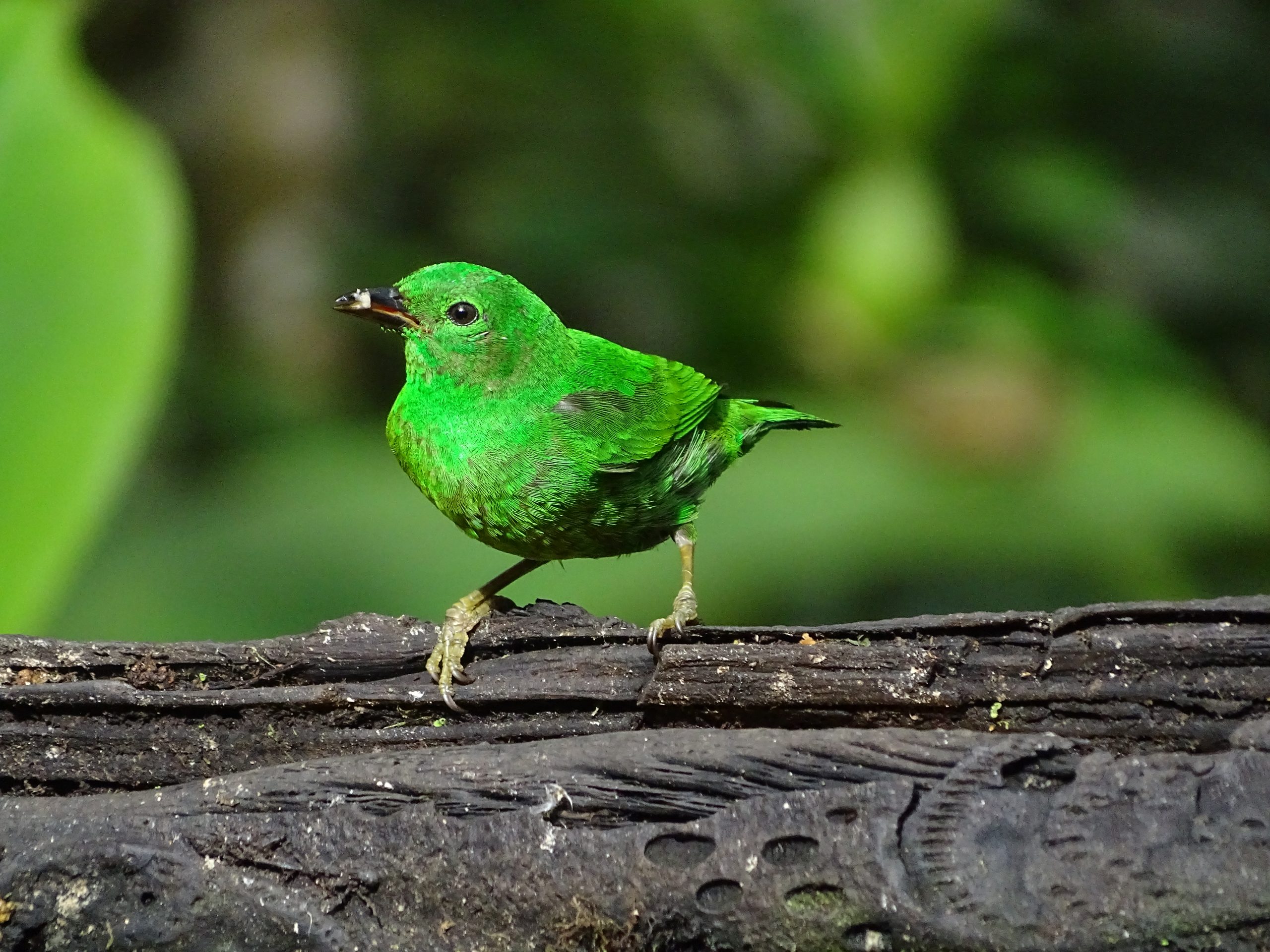
Above: Glistening-green Tanager
Tuesday, December 1, 2026 – Thursday, December 10, 2026
Led by Judy Montgomery
An extraordinary abundance of bird life inhabits the forests of northwestern Ecuador. Amid cloud forest, rainforest, páramo, and the eastern and western slopes of the Andes Mountains, you’ll seek out as many of the country’s 1,640-plus species as possible with assistance from your expert Ecuadorian birding guide on this 10-day adventure with Delaware Nature Society. In particular, much of the avifauna you’ll encounter is endemic to the Chocó region, while other species are more easily found here than any place else.
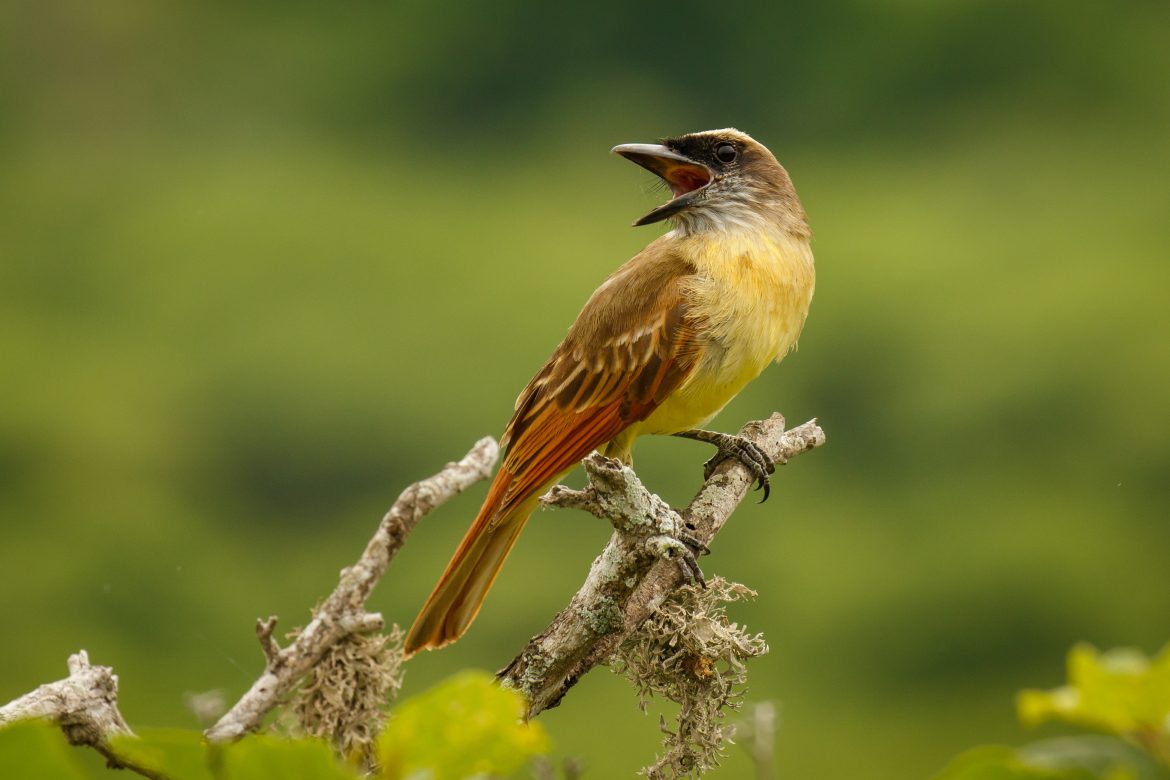
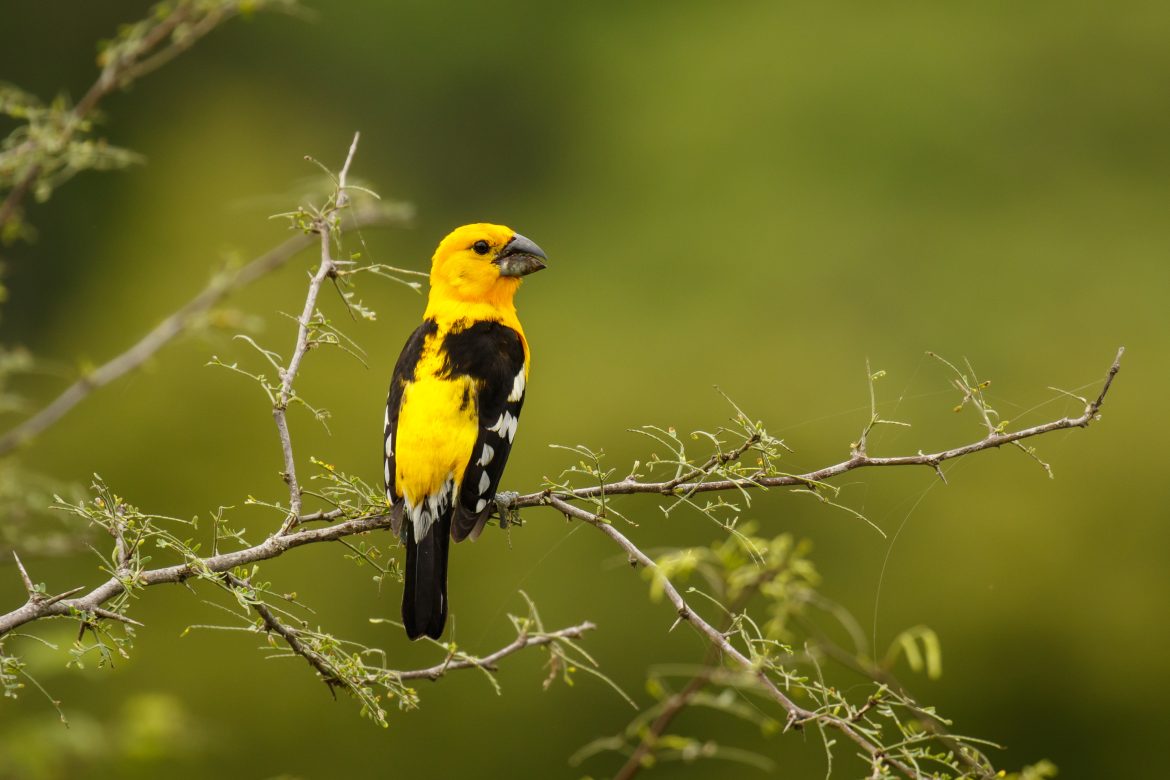
Highlights
- Explore the Chocó ecoregion across a variety of protected areas, including Alambi Cloud Forest Reserve, Milpe Bird Sanctuary, Antisana Ecological Reserve, Rio Silanche, and others.
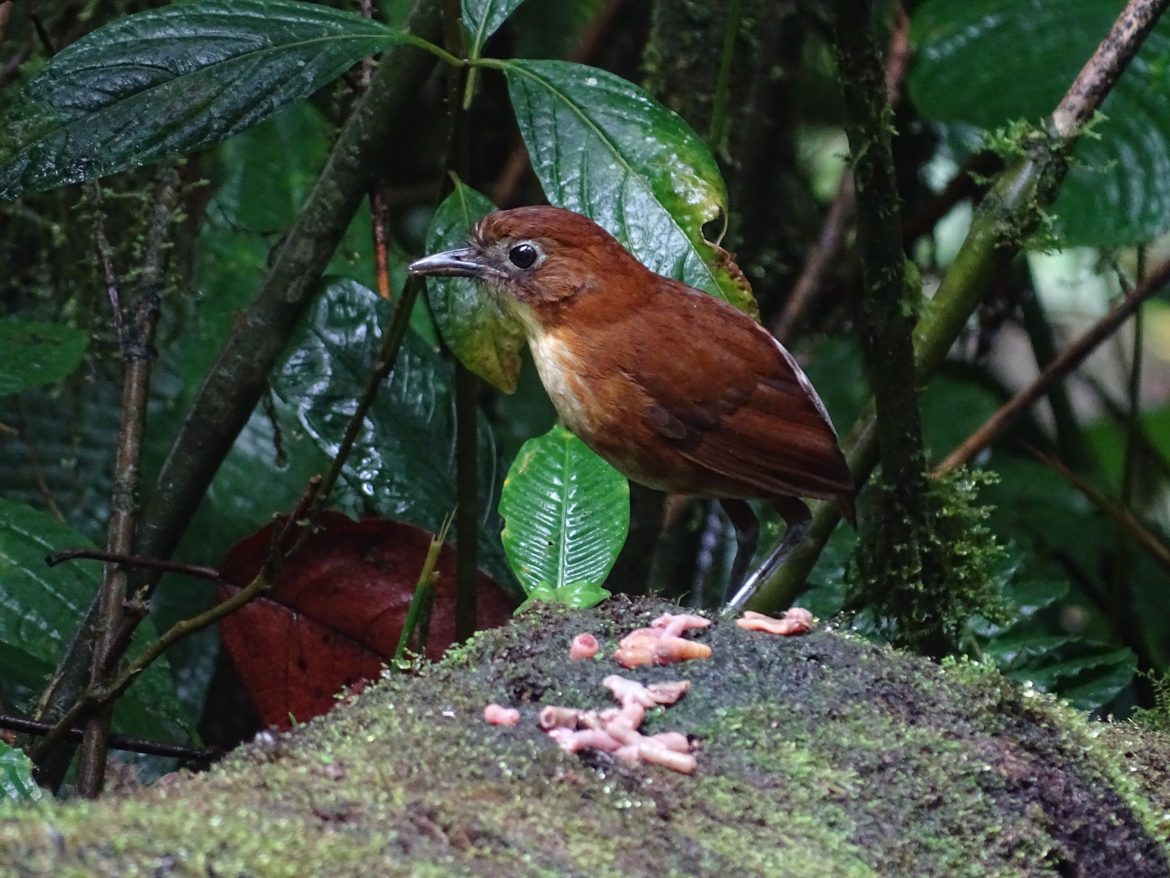
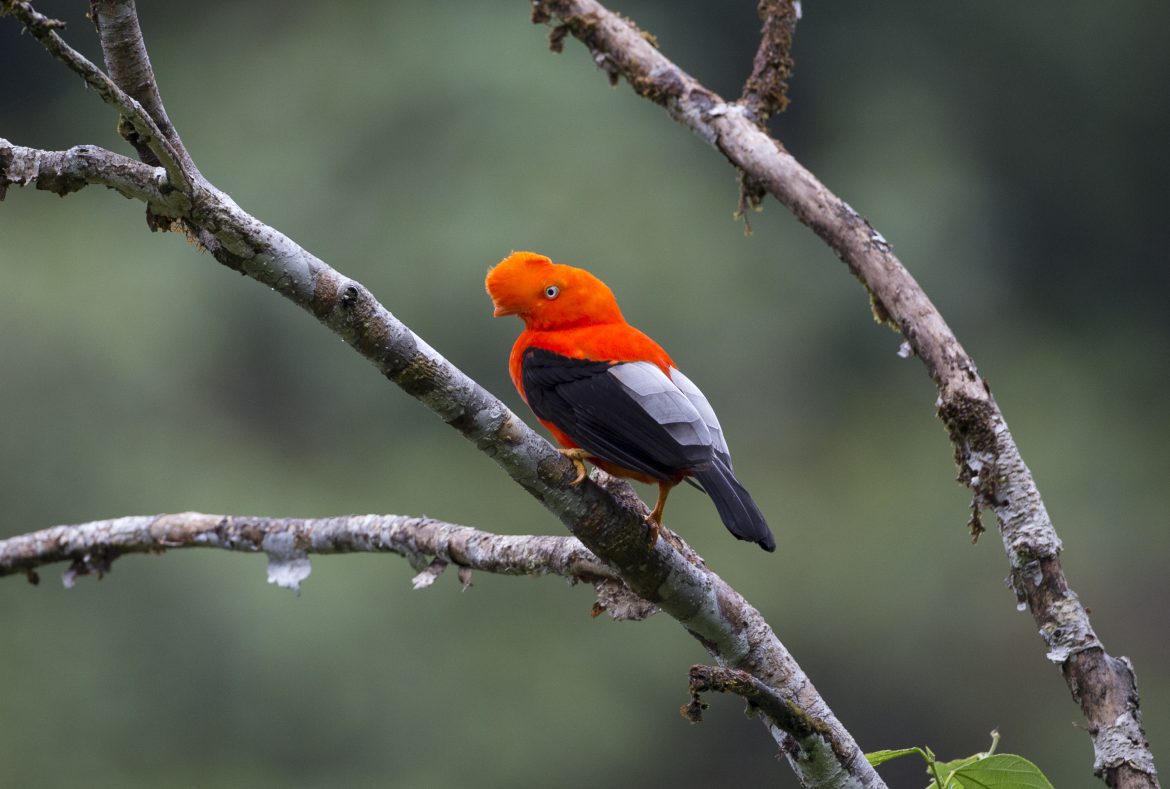
- Visit the famed Refugio Paz de las Aves, known as a haven for antpittas and Andean Cocks-of-the-rock.
- Take in Yanacocha Biological Reserve, a protected area established to safeguard the critically endangered and endemic Black-breasted Puffleg, the official emblematic bird of Quito.
- Bird the Mashpi-Amagusa Reserve for target species like the Rose-faced Parrot, Orange-breasted Fruiteater, Chocó Vireo, Moss-backed Tanager, and Indigo Flowerpiercer.
Monday, March 22, 2027 — Monday, March 29, 2027
Led by Holly Merker & Judy Montgomery
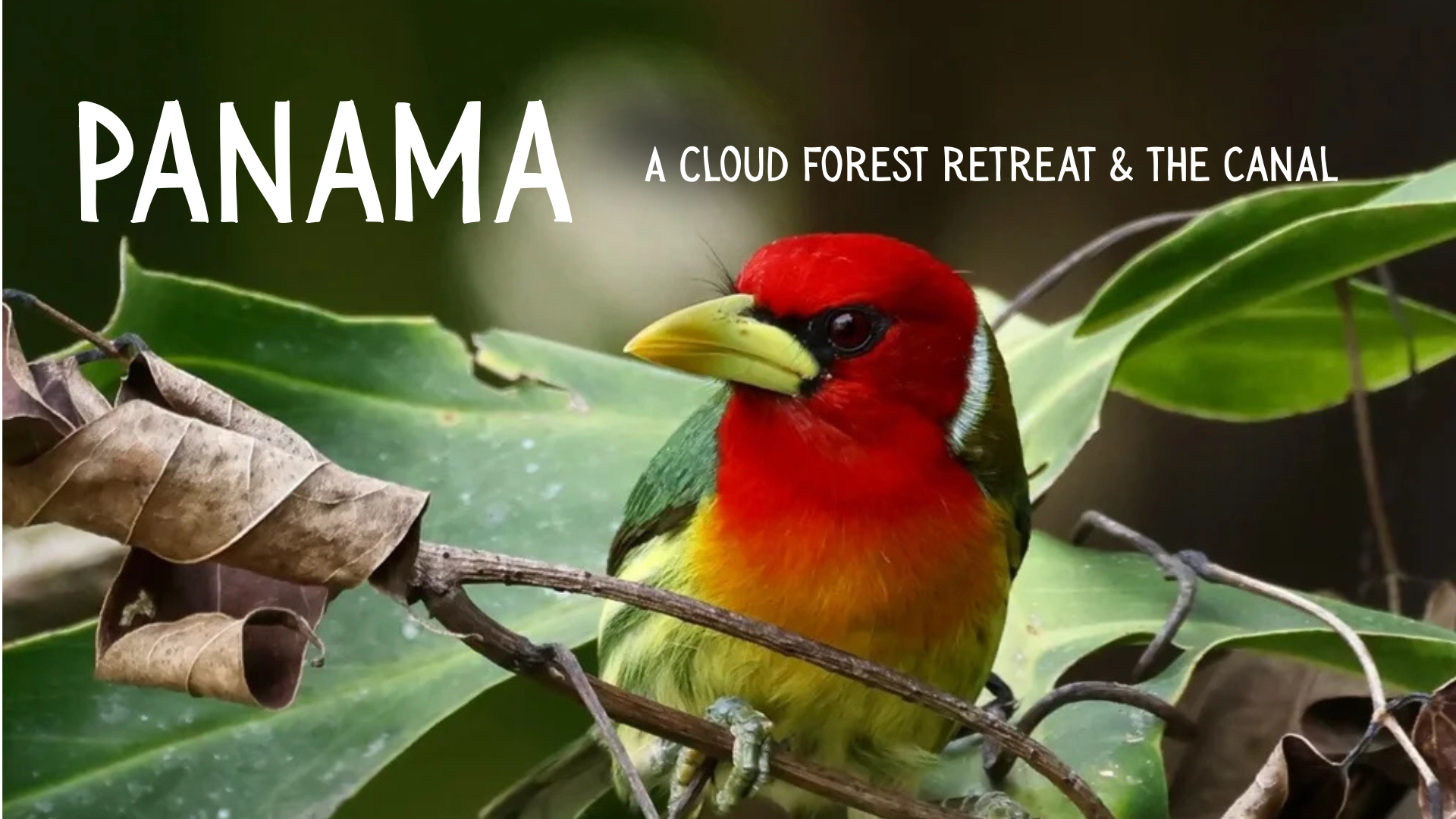
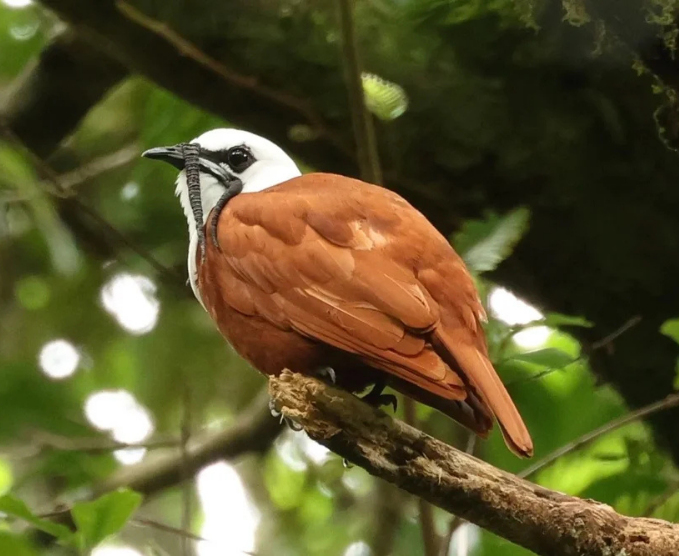
On this weeklong retreat, sample lowland rainforest birding at the canal, followed by an extended stay at one of Panama’s best kept secrets, Mount Totumas. Few birding lodges combine such a relaxed atmosphere with such thrilling birds. Join us as we soak up Cloud Forest vibes, while seeking Resplendent Quetzal, Three-wattled Bellbird, Keel-billed Toucan, and other iconic Neotropical birds and animals.
Highlights:
- Check in at the Ammo Dump Ponds to scan the open wetland for Rufescent TigerHeron, Wattled jacan, and Greater Ani.
- Explore Panama’s exquisite western highlands.
- Discover Mount Totumas Coud Forest Reserve near the Costa Rican border to find Three-wattled Bellbirds.
- Enjoy the trails, forest, and wildlife rich wetlands of Gamboa Rainforest Reserve.
- See nocturnal insects and diverse butterflies of the Talamanca Mountain Range.
- Identify Hummingbirds, Long-billed Starthroat, and Green Hermits in Birding Paradise of Panama’s Chiriquí Highlands.
Past Eco Tours
Check out some of our past Eco Tours: